

Market Brief: Green Petroleum Coke, Calcined Petroleum Coke and Carburizers – 2026 Global Market Analysis
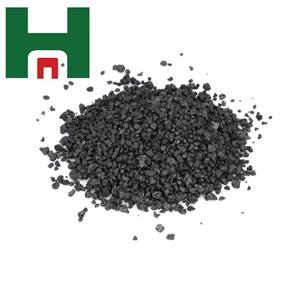
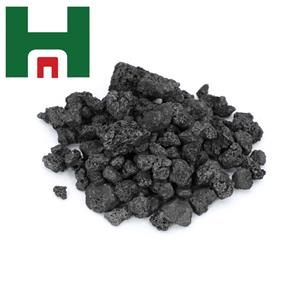
Green Petroleum Coke (GPC), Calcined Petroleum Coke (CPC) and metallurgical carburizers form a critical carbon raw material chain for aluminum smelting, steelmaking and foundry sectors worldwide. GPC is a solid by-product from crude oil refining; it acts as the primary feedstock for CPC after high-temperature calcination to strip volatile matter. Carburizer is a broader metallurgical carbon category, covering CPC-based grades, calcined anthracite and graphitized coke, deployed for carbon adjustment in electric arc furnace (EAF) steel and ductile iron production.
On the supply side, GPC output is directly tied to refinery throughput and the proportion of heavy crude processed. Refinery turnaround plans and tightening emission regulations in major producing regions keep supply tight from time to time. CPC manufacturing is highly energy-intensive, and new calcination kiln capacity is restrained by rising power expenses and environmental compliance checks. The carburizer market stays fragmented, with multiple raw material routes creating distinct price tiers for purchasers. Asia-Pacific stands as the dominant production and consumption base, while Middle Eastern refineries remain a major seaborne GPC supplier for global trade.
CPC demand falls into two core segments. The biggest consumption is for aluminum smelters to manufacture prebaked anodes. The second key application is metallurgy, where high-grade CPC works as premium carburizer. The ongoing expansion of EAF steel capacity across the globe is the primary growth engine for carburizer demand, because scrap-based steel production requires precise carbon control. Ductile iron foundries favor low‑sulfur, low‑nitrogen carbon additives to prevent casting defects. Calcined anthracite carburizers carry cost advantages for price-sensitive buyers, while graphitized coke delivers superior carbon absorption at a higher cost.
Chemical specifications remain the decisive factor for pricing. Buyers focus heavily on fixed carbon, sulfur, nitrogen, ash and volatile matter. Low‑sulfur and low‑nitrogen grades enjoy clear price premiums for high-quality steel and anode-grade applications, whereas high‑sulfur petroleum coke is mostly limited to fuel-grade or less stringent metallurgical usage. Spot price volatility comes from crude oil fluctuations, gas and power costs for calcination, ocean freight rates, plus the cyclical performance of aluminum and steel markets.
For the outlook of 2026–2027, stricter environmental rules will accelerate end-users’ shift toward high-purity, low-impurity carbon materials. Substitution competition among CPC, anthracite carburizer and graphitized coke will continue. Many steel mills and aluminum smelters prefer medium-term supply contracts to mitigate spot market risks. Reliable supplies of consistent-quality CPC and carburizers will retain strong commercial value as more steelmakers switch to scrap-fed EAF routes.