

Local Coke Prices in Downward Trend; Low-Sulfur Calcined Coke Leads Decline
**Market Trading Relatively Stable; Local Refinery Coke Prices Continue to Decline**
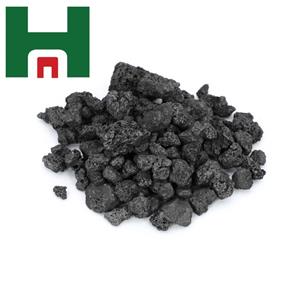
The petroleum coke market saw relatively stable trading. Prices from major producers held steady, with the average price at 3,727 RMB/ton, unchanged from the previous trading day. Sinopec refineries maintained stable prices with smooth shipments, particularly for anode-grade coke, experiencing no shipment pressure. CNPC refineries fulfilled existing orders, generally maintaining low inventory levels. CNOOC refineries operated based on orders. Meanwhile, prices for petroleum coke from local refineries continued to decline, with the average price at 2,486 RMB/ton, down 6 RMB/ton from the previous trading day. Downstream aluminum carbon enterprises maintained stable operations. Demand for energy storage in anode materials remained positive. Purchasing demand from graphite electrode enterprises was weak but stable, with overall production rhythms holding steady. Demand from silicon carbide enterprises persisted. Petroleum coke prices are expected to remain stable tomorrow, with potential for a rebound in local refinery coke prices.
**Downstream Procurement Turns Cautious; Coke Prices Under Pressure and Adjusted Downwards**
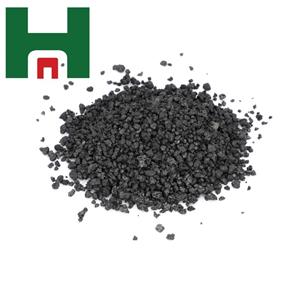
Downstream buyers of low-sulfur calcined coke largely adopted a wait-and-see approach, with procurement turning cautious. The market average price was 6,012 RMB/ton, down 23 RMB/ton from the previous trading day. The medium-high sulfur calcined coke market lacked positive drivers, with average shipment performance; transactions were mainly stable. The market average price was 3,406 RMB/ton, unchanged from the previous trading day. Downstream, some graphite electrode enterprises reduced calcination production due to heating season and environmental restrictions. Pressure on aluminum anode enterprises intensified slightly amidst falling spot aluminum prices. The anode material market operated stably. Calcined coke prices are expected to fluctuate within a narrow range in the near future.
**Supported by Both Cost and Demand; New Orders Prepare for Price Increase**
The prebaked anode market price remained stable. Market sentiment was positive, with cost-side support continuously strengthening: prices from major producers stabilized, while coal tar pitch continued its upward adjustment in some regions, jointly pushing anode costs higher. The operating rate for enterprises stood at 75%. Although production in Henan was affected by environmental restrictions, market supply remained ample. Downstream, operating aluminum electrolysis capacity reached a high of 44.135 million tons. The release of new capacity in Xinjiang drove steady growth in anode demand, providing solid support from rigid demand. The dual positive factors of cost and demand dominate the market. Prebaked anode prices are expected to rise in December.
The market transaction price ranged from 4,900-5,410 RMB/ton for the low-end (ex-factory, tax included) to 5,310-5,820 RMB/ton for the high-end.
**Mixed Factors Interweave; Aluminum Price Fluctuates Within Narrow Range**
The average price of electrolytic aluminum was 21,443 RMB/ton, down 14 RMB/ton from the previous trading day's average. The latest domestic manufacturing PMI data fell short of expectations, reflecting continued weak recovery in terminal demand, which weighed on aluminum prices. Regionally, in South China, holders expanded discounts, resulting in thin trading. In East China, procurement was need-based, with average transactions. Although overseas demand concerns persist, the domestic production capacity cap provides long-term market support. Balanced by these mixed factors, aluminum prices lack momentum for a one-sided move. The spot price of electrolytic aluminum is expected to fluctuate between 21,150-21,800 RMB/ton tomorrow.
**Market Suppressed by Supply Surplus; Prices Continue Weak Trend**
The spot average price for domestic alumina was 2,835.82 RMB/ton, unchanged from the previous day. Market trading was thin, and prices remained in a stalemate. Futures prices continued fluctuating within a narrow range with limited volatility. On the supply side, restarted plants in the North operated at full capacity, and domestic operating rates remained high, leading to a slightly oversupplied market. In the overseas market, Australian alumina FOB prices fluctuated slightly; the converted domestic port cost exerted pressure on domestic prices, further intensifying market competition pressure. Against the backdrop of ample supply and lackluster demand improvement, alumina prices are expected to continue their weak fluctuations in the near term.